
Why Your Car Wrap Color Actually Matters for Temperature
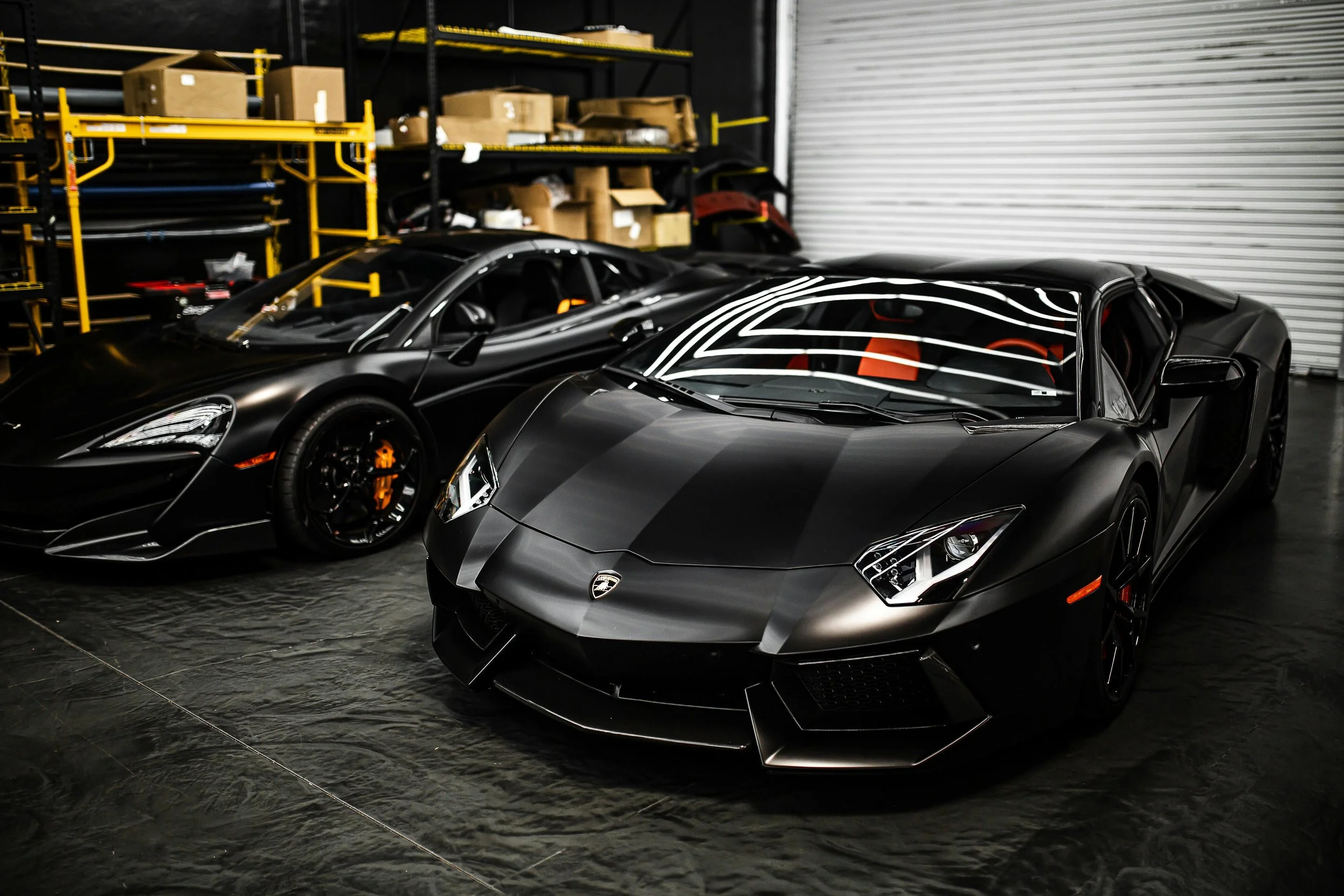
I see it every day: a stunning, brand-new black vinyl wrap—the deepest, glossiest black you can imagine—and the owner is already dreading the summer. We all know the classic physics lesson: Dark absorbs, light reflects.
But when you're shelling out thousands for a killer wrap, you need to know exactly how much that aesthetic choice is going to affect your comfort, your A/C, and even your fuel economy.
The short answer is: Yes, the color of your car wrap makes a huge difference. But it’s not just a difference in feeling—it’s a measurable, physics-driven temperature gap that can change your whole driving experience.
The Science is Simple: Albedo and Absorption
When the sun beats down, the vinyl wrap on your car, just like any other surface, interacts with solar radiation.
Dark Colors (Black, Deep Blue, Dark Grey): These colors have a low albedo (a measure of reflectivity). They absorb almost the entire spectrum of light, converting that energy directly into heat. Studies have shown the surface of a black car can reach 170°F or more on a hot, sunny day. That heat then radiates directly into your car's cabin, cooking the air, the roof liner, and the metal beneath the wrap.
Light Colors (White, Silver, Light Pastel): These colors have a high albedo. They reflect most of the incoming sunlight away from the surface. This means they convert far less solar energy into heat. Under the same conditions, a white car's surface might be 120°F to 130°F.
The Real-World Temperature Gap
What does a 40∘F surface temperature difference mean for the inside of your car?
Tests comparing black and white vehicles parked in direct sunlight often find that the interior cabin temperature of the black car can be 10 to 20 degrees Fahrenheit hotter than the white car.
This isn't a small thing. 140∘F versus 120∘F is the difference between an uncomfortable wait and a truly dangerous environment.

More Than Just Comfort: The Hidden Costs of Dark Wraps
When you choose that striking, heat-absorbing dark color, you’re not just sacrificing comfort; you’re impacting the operation and longevity of your vehicle:
A/C Overdrive: Your air conditioning system has to work dramatically harder and longer to cool down a cabin that is already 15∘F hotter. This is especially true after the car has been sitting for hours.
Fuel Efficiency: That overworked A/C system puts a constant, heavier load on your engine, which can lead to a slight but noticeable reduction in your fuel efficiency over the summer months.
Interior Longevity: Excessive heat is the enemy of your car's interior. Darker cars bake dashboards, dry out and crack leather or vinyl seats, and accelerate the fading of plastic trim. The darker the wrap, the more aggressively your interior ages.
Wrap Longevity: While modern vinyl is durable, excessive heat cycling—getting scorching hot and then rapidly cooling down when you turn on the A/C—can put more stress on the adhesive and the material itself over time.
The Takeaway for Your Next Wrap
If you live in a perpetually sunny, hot climate (think Florida, Texas, Arizona, or anywhere with brutal summers), and keeping your cabin cool is a priority, you should seriously consider the lighter side of the color spectrum.
Prioritize Performance: White, silver, chrome, light gray, and light blue will always perform better at rejecting heat than black, dark red, or navy.
Aesthetics + Science: If you must have a dark color, invest in other heat-mitigation measures:
Ceramic Window Tint: This is the ultimate countermeasure. High-quality ceramic film blocks the invisible Infrared (IR) heat rays that pass through the glass, keeping your interior surfaces cooler regardless of exterior color.
Windshield Sunshade: Use a reflective sunshade every single time you park. This shields your dashboard—the main interior heat radiator—from direct sunlight.
The gorgeous aesthetics of a dark car wrap are undeniable. Just know that you are making a trade-off. Choosing color is choosing a climate for your car. Make sure you choose the one you can live with!
